
A Smart Way to Prevent Your Interiors from Fading in the Sun
Keep Your Art, Photographs, & Furniture Looking Bright…And Your Home’s Temperature More Comfortable
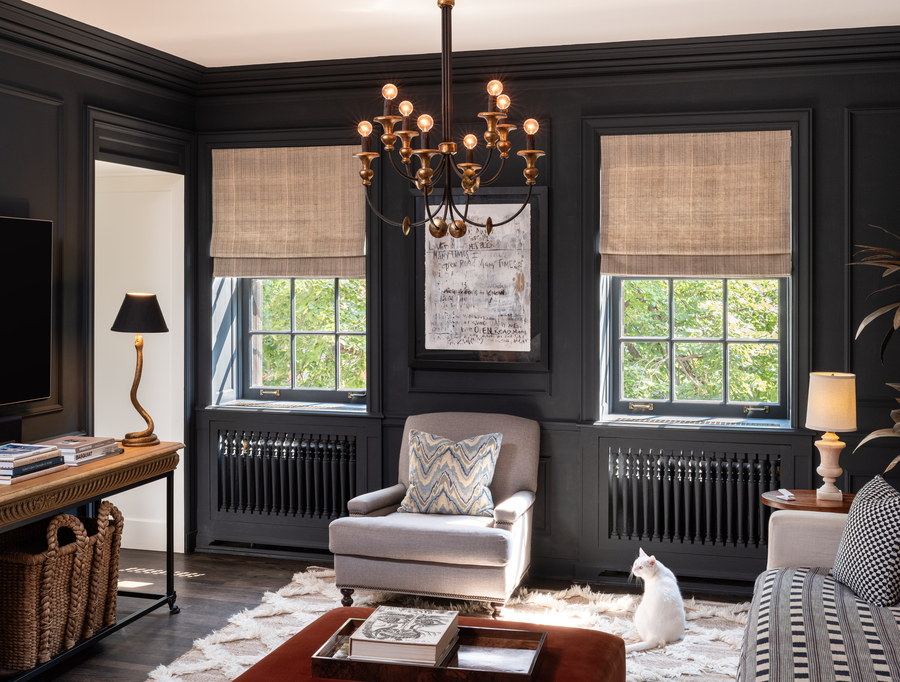
New Englanders develop a habit without realizing it. All winter, the sun sits low and the days are short, so leaving your shades open from morning until night doesn't cross your mind. There's just not that much daylight to worry about.
Then summer arrives. The days stretch to fifteen hours, the sun climbs higher in the sky, and those same open shades are now flooding your rooms with UV light for most of the day. Nobody flips a switch to change the habit. The shades just stay where they were.
That's where the damage happens.
What Sunlight Actually Does to Your Home
UV light breaks down materials at a molecular level, and it doesn't discriminate by price tag. A hand-knotted rug fades the same way a big-box one does. Book spines lighten on the shelf. Wood flooring shifts in tone unevenly, darker under the rug, lighter where the sun hits directly. Photographs, tapestries, and upholstery all move in the same direction: duller, patchier, and permanently changed.
Some of what fades:
-
Framed photographs and artwork, especially watercolors and anything with bold color
-
Antique furniture and wood floors, which can fade or darken unevenly
-
Fabric upholstery and drapery, regardless of how much you paid for it
-
Family heirlooms, including antique dolls (the painted eyes tend to go first, which is a little unsettling once you notice it)
None of this reverses. Once a photograph fades or a rug lightens, that's the new condition of the piece.
The Solution? Motorized Shades.
Fading is preventable, and the fix doesn't mean living with the shades drawn 24/7. Motorized shades can be programmed to lower during the hours UV exposure is highest, then rise again as the sun moves off that side of the house. This way, a west-facing living room and an east-facing kitchen can run on entirely different schedules without you touching a single remote.
The shades themselves can be custom-built for the room: fabric weight, opacity, and color chosen to match your interior rather than a stock size ordered off a shelf. Whether a room needs full blackout curtains for a media space or a light-filtering fabric that still lets a view through, the shading is designed around how you actually use that room.
And the point isn't to keep your house dark. A well-programmed system can lower shades during peak UV hours, then rise again for sunset, so you walk into a bright, golden living room in the evening instead of a house that looks shut for the day. Your home stays protected during the hours that matter and open during the hours you actually want the view.
SEE ALSO: Keep Your Home Cool and Energy Efficient with Lutron Motorized Shades
Watching the Game Without the Glare
There's another reason to manage your shades: glare. A day game at Fenway or a Sunday afternoon Pats matchup means sunlight cutting straight across your TV screen for hours. Motorized shades solve this the same way they solve fading. Lower them from a wall keypad or your phone, and the glare is gone before the next commercial break.
Historic Homes Feel It More
Plenty of homes across Greater Boston and New England are older properties with radiators, exposed brick, or additions that were never designed with central air or modern insulation. A room that gets full afternoon sun can swing from chilly in the morning to uncomfortably warm by 3 pm. Motorized shades reduce that heat gain automatically, closing during peak sun and easing the load on whichever room tends to run hot.
Discover the Convenience of Motorized Shading
If you're curious what motorized shading could look like in your home, Audio Concepts can walk you through the options built for Boston and New England’s mix of historic and modern properties. Reach out to our team to start the conversation.


